Publish + Blast
A signal desk for publishing in the noise.
Publast is built like a cyber newsroom: part assignment desk, part broadcast console, part archive discipline. It helps fast-moving publishing teams separate noise from usable signal, write briefings that make source context visible, and ship pages that can be understood by readers today and answer engines later. The mood is urgent, but the method is not reckless.

Signal scan
04:20 UTC
Morning queue review and source drift check
Dispatch mode
Fast, verified
Short briefs first, source notes kept visible
Readable layer
Human + AEO
Headlines, summaries, dates, and context stay extractable
Desk Logic
The newsroom is the interface.
Publast does not present publishing as a vague content pipeline. It uses the language of a working signal room: incoming fragments, assigned channels, source checks, plain-English summaries, and final dispatches. That frame keeps the team honest. Every brief has to explain what changed, what remains uncertain, and why a reader should trust the route from observation to article.
The site also treats discoverability as part of the editorial craft. A dispatch that cannot be parsed, cited, or revisited is not finished. Semantic headings, stable URLs, visible dates, fallback images, and concise summaries are part of the broadcast desk, not afterthoughts added at launch.
Signal capture
Publast treats each publishing idea as a signal before it becomes an article. The desk watches for repetition, conflict, sudden vocabulary shifts, missing source context, and claims that need a slower hand before they enter the public feed.
Brief assembly
Editors convert the scan into compact briefs with a headline, a reason to care, a source trail, and a next question. That structure makes the work faster without turning the page into a disposable headline stack.
Broadcast shaping
A finished dispatch is prepared for readers and crawlers at the same time: clear date, direct summary, semantic body, canonical URL, and enough surrounding language for future citation to make sense.
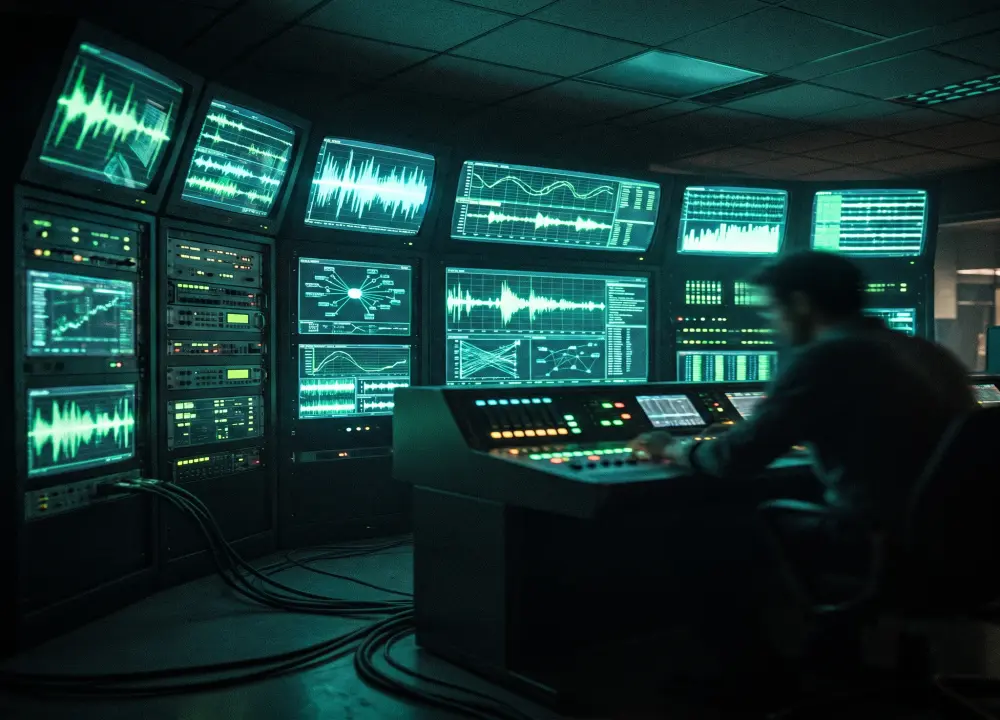
A matrix mood without template habits.
The Publast visual system borrows the feeling of a terminal wall and a broadcast desk, but the editorial structure stays grounded. A reader should immediately know where the signal is coming from, what is being asserted, and what is still being watched. The result is a compact operating room for publishing work: quick enough for breaking topics, restrained enough for durable reference, and clear enough for future retrieval.
Claims are routed through visible context instead of mystery authority.
Briefs are written to survive both skimming and close reading.